Mental health is an essential aspect of overall well-being, influencing how individuals think, feel, and behave. Psychological counseling provides a supportive and professional environment where individuals can explore their emotions, develop coping strategies, and work toward personal growth. Seeking therapy is a proactive step toward mental wellness and self-improvement.
What is Psychological Counseling?
Psychological counseling is a professional service designed to help individuals address emotional, behavioral, and psychological challenges. Licensed counselors use various therapeutic techniques to support clients in understanding their emotions, improving relationships, and managing stress effectively.
Common Forms of Psychological Counseling:
Individual Therapy – Focuses on personal challenges, self-discovery, and emotional well-being.
Mindfulness-Based Therapy – Encourages mindfulness techniques to promote relaxation and reduce stress.
Benefits of Psychological Counseling
1. Enhances Emotional Well-being
Therapy provides a safe space for individuals to express emotions and gain insight into their mental health challenges.
2. Improves Coping Strategies
Counselors teach effective coping mechanisms to handle stress, anxiety, and depression more constructively.
3. Boosts Self-Confidence and Self-Awareness
Understanding personal strengths and weaknesses can lead to better decision-making and self-improvement.
4. Strengthens Relationships
Counseling helps individuals improve communication and develop healthy relationship patterns.
5. Supports Personal Growth and Development
Therapy fosters self-discovery and encourages individuals to work towards their personal and professional goals.
When Should You Seek Counseling?
Seeking psychological counseling is beneficial when individuals experience:
Persistent sadness, anxiety, or depression
Difficulty managing emotions and stress
Relationship conflicts or family issues
Low self-esteem or self-doubt
Past traumatic experiences affecting daily life
Choosing the Right Counselor
Finding the right therapist is essential for a successful counseling experience. Consider these factors:
Qualifications and Experience – Ensure the therapist is licensed and has expertise in the relevant area.
Therapeutic Approach – Different therapists use various methods; choose one that aligns with your needs.
Comfort and Trust – A good counselor-client relationship is key to effective therapy.
Availability – Consider accessibility, including online therapy options.
Conclusion
Psychological counseling plays a vital role in mental well-being by providing support, guidance, and effective strategies for overcoming life's challenges. Taking the step to seek therapy is a sign of strength and commitment to personal growth. If you are looking for professional 抑鬱症心理治療 services, visit Dr. Amos Cheung’s website for expert guidance and support.
You might think that “just one more spin” is harmless, a simple decision in the moment. But have you considered the deeper implications? Each spin chips away at your bankroll, and soon, those small losses add up. The thrill of the chase can cloud your judgment, impacting more than just your finances. What starts as a game can spiral into something much more serious. Are you ready to explore the consequences?
The Psychological Trap of Chasing Wins
When you hit a losing streak, it’s easy to fall into the psychological trap of chasing wins. You might think that one more spin will turn your luck around, but this mindset can lead to poor decision-making apk slot.
As you keep playing, adrenaline kicks in, creating a false sense of hope. You believe that the next bet will finally bring you back to even. This chase often clouds your judgment, making it harder to recognize when to stop.
You ignore the mounting losses and focus solely on that elusive win, reinforcing a cycle of desperation. Ultimately, this behavior can lead to frustration and regret, leaving you feeling more defeated than before.
It’s crucial to stay aware of these patterns and regain control over your choices.
Financial Implications: More Than Just a Dollar Lost
Chasing wins not only affects your mindset but also has significant financial implications that extend beyond losing a few dollars. Each spin you take adds up, and before you know it, your bankroll dwindles. You might think, “It’s just one more,” but those small amounts accumulate, leading to a hefty financial burden.
Consider how much you could’ve saved or invested instead. Additionally, frequent gambling can lead to hidden costs, like increased spending on entertainment or dining out to compensate for losses. Your financial stability might slowly erode, affecting not just your wallet but your overall financial health.
Recognizing this pattern is crucial; it’s time to reassess your priorities and consider the long-term impact of your choices.
Impact on Mental Health and Well-Being
While you might focus on the thrill of that next spin, it’s essential to recognize how this habit can negatively impact your mental health and overall well-being.
The constant pursuit of that elusive win can lead to heightened anxiety and stress, as you find yourself trapped in a cycle of hope and disappointment. You may experience feelings of guilt or shame when losses pile up, which can contribute to a decline in self-esteem.
Additionally, the excitement you seek can morph into an obsession, leaving you feeling empty and unsatisfied. Over time, this can lead to depression or emotional instability, affecting your ability to enjoy life’s simple pleasures.
Prioritizing your mental health is crucial—consider the costs before you spin again.
Strain on Relationships and Social Life
As you immerse yourself in the world of gambling, the strain on your relationships and social life becomes increasingly evident.
You might find yourself isolating from friends and family, prioritizing the thrill of the next spin over meaningful connections. Your loved ones may express concern, but you dismiss their worries, believing you can handle it.
Over time, missed gatherings and broken promises create distance, leaving you feeling lonely. Conversations shift from shared experiences to your latest bets, alienating those who care about you.
The excitement fades, but the impact on your relationships lingers, causing rifts you may not notice until it’s too late.
Ultimately, the cost of that “just one more spin” extends far beyond your wallet.
Strategies for Regaining Control and Balance
Regaining control and balance in your life starts with acknowledging the impact gambling has on your well-being.
Next, set clear limits on your gambling activities. Decide beforehand how much time and money you can afford to lose, and stick to it.
Consider finding healthier alternatives to fill your time and reduce the urge to gamble, like picking up a new hobby or spending time with loved ones.
Seek support from friends, family, or even professional counselors who understand your struggles. Joining a support group can also provide valuable insights and encouragement.
Finally, practice mindfulness techniques to help you stay present and focused, reducing the compulsion to chase that next win.
Conclusion
In the end, chasing that “just one more spin” can lead to more than just financial loss. It’s time to recognize the psychological trap you’re in and the toll it takes on your mental health and relationships. By regaining control and setting limits, you can break free from this cycle. Remember, the elusive win isn’t worth sacrificing your well-being. Prioritize your mental health, rebuild connections, and focus on what truly matters in life.
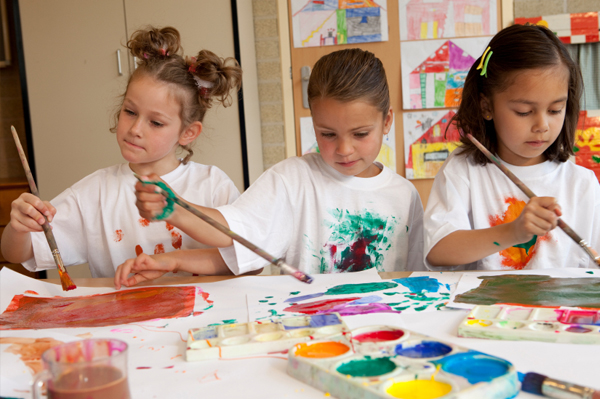
In today’s fast-paced world, where the emphasis often lies on academic achievement and technological proficiency, there’s one timeless skill that consistently proves to be invaluable for a child’s development: drawing. While drawing may seem like a fun and simple activity, children’s drawing classes offer far-reaching benefits that contribute to a child’s cognitive, emotional, and social growth. From enhancing creativity to building problem-solving skills, these classes lay the groundwork for a host of lifelong abilities. Beyond the mastery of artistic techniques, drawing provides a unique avenue for children to explore their emotions, build their confidence, and develop skills that will serve them throughout their lives. 創意學堂好唔好.
Cultivating Creativity and Innovation
Creativity is an essential skill in nearly every aspect of life, from problem-solving to personal expression, and drawing offers an excellent medium for children to explore and expand their creative abilities. Children’s drawing classes provide a structured environment in which young minds can experiment with different ideas, styles, and mediums, allowing them to push the boundaries of their imagination.
Through drawing, children learn that there are no limits to what they can create. Whether they are sketching a fantastical creature, designing their dream house, or depicting a scene from their favorite story, they are encouraged to think outside the box. By nurturing creativity in this way, children learn to approach challenges with an open mind and an innovative spirit—skills that are crucial in today’s world of rapid change.
The creative process of drawing also helps children develop original ideas and recognize the value of personal expression. In a society where conformity is often valued, encouraging creativity through drawing fosters the confidence to be unique and take risks. As children explore their artistic voice, they build a foundation for a lifelong appreciation for self-expression, art, and creativity.
Improving Cognitive and Analytical Thinking
Children’s drawing classes are not just about putting pencil to paper—they are also a powerful tool for cognitive development. When children draw, they engage in a series of cognitive processes that involve problem-solving, decision-making, and planning. These mental exercises help children sharpen their analytical thinking and strengthen their overall intelligence.
For example, when a child draws an object, they must think critically about its shape, size, and proportions. They analyze the relationships between different elements of the image, such as how light affects a surface or how an object’s position changes based on perspective. This mental effort improves spatial reasoning, which is particularly important for academic subjects like mathematics, science, and engineering. Understanding shapes, angles, and symmetry through drawing translates to a deeper understanding of geometric concepts.
Moreover, drawing requires children to make decisions about color, composition, and technique, all of which involve critical thinking and an understanding of cause and effect. These experiences foster the ability to think strategically and evaluate different options—skills that children can carry into their academic work and later professional endeavors.
Emotional Expression and Mental Well-Being
In addition to fostering cognitive development, drawing serves as a powerful tool for emotional expression. Children often have difficulty expressing their feelings verbally, especially when dealing with complex emotions like fear, sadness, or excitement. Art, however, allows them to externalize their emotions in a non-verbal way, providing a safe outlet for self-expression.
When children create art, they often choose colors, shapes, and lines that reflect their inner feelings. For example, a child who is feeling joyful may use bright colors and rounded shapes, while a child who is feeling anxious might use darker hues or jagged lines. This form of artistic expression helps children process their emotions and better understand what they are experiencing.
Drawing also provides a sense of control over one’s environment. For children who experience stress or anxiety, the act of drawing can be therapeutic, offering a calming effect that promotes relaxation. Through art, children learn to manage and cope with their emotions, which is crucial for their mental well-being. As they develop these emotional regulation skills, they build resilience and gain the tools to navigate difficult situations with confidence.
Enhancing Fine Motor Skills and Coordination
The physical act of drawing also plays an important role in developing a child’s fine motor skills, which are essential for tasks like writing, using scissors, and other daily activities. Drawing requires children to make controlled, precise movements with their hands, which helps strengthen the small muscles in the fingers and hands.
As children practice drawing, they develop better hand-eye coordination, which is necessary for a wide range of tasks, from writing to playing musical instruments. Furthermore, by manipulating different art tools, such as pencils, crayons, and paintbrushes, children refine their dexterity and learn how to control their movements with increasing precision.
Drawing also supports bilateral coordination, as children use both hands to hold the drawing tool and stabilize the paper. This coordination helps develop the brain's ability to communicate between the left and right hemispheres, which is critical for many cognitive functions, including language development and problem-solving.
Social Skills and Collaboration Through Art
Although drawing is often considered a solitary activity, many children’s drawing classes incorporate group projects or collaborative elements that promote teamwork and social skills. These group activities help children develop their ability to work effectively with others, share ideas, and offer feedback in a constructive manner.
Collaborating on a drawing project teaches children the importance of communication and cooperation. As they discuss ideas, share materials, and provide input on each other’s artwork, children learn how to negotiate, compromise, and respect the opinions of others. These experiences strengthen their interpersonal relationships and teach valuable skills like empathy and conflict resolution, which are essential in both academic and real-world settings.
In addition, when children share their artwork with others—whether with peers, teachers, or family members—they experience a sense of pride and accomplishment. Publicly presenting their creations helps boost their self-esteem and encourages them to take pride in their work. This sense of validation and recognition can lead to increased confidence in their abilities, not only as artists but as individuals.
Building Confidence and Self-Esteem
Perhaps one of the most significant benefits of children’s drawing classes is the boost to their confidence and self-esteem. As children complete their artwork and witness their progress over time, they develop a sense of pride in their creations. Each drawing they complete is a tangible reminder of their growth and improvement, which encourages them to take on new challenges and push their boundaries.
The positive reinforcement children receive from teachers, parents, and peers further boosts their confidence. As they receive praise for their efforts, they learn to believe in their abilities and feel validated in their creative expression. This growing sense of self-worth extends beyond art and influences other areas of their lives, from academics to personal relationships.
Moreover, drawing teaches children that the creative process is as important as the final result. By focusing on effort rather than perfection, children learn to embrace their mistakes and view them as opportunities for growth. This mindset fosters a healthy attitude toward learning and development, which encourages perseverance and a willingness to take risks.
Conclusion: The Enduring Benefits of Drawing Classes for Children
Children’s drawing classes are far more than just an introduction to art; they are an essential tool for nurturing well-rounded individuals who possess a wide range of skills. From fostering creativity and cognitive development to providing emotional expression and building fine motor abilities, drawing classes offer a comprehensive approach to a child’s growth.
By engaging in drawing, children develop critical thinking, problem-solving, and social skills that will serve them throughout their lives. They also gain emotional resilience and confidence, allowing them to face challenges with a positive and open mindset. Most importantly, drawing allows children to express their unique voices and explore their personal identities, which builds a strong foundation for self-esteem and lifelong learning.
As we continue to navigate an ever-changing world, the skills developed in children’s drawing classes remain more important than ever. By nurturing creativity, emotional intelligence, and critical thinking through art, we are setting children up for success in all aspects of life, both personally and professionally. Ultimately, the impact of drawing extends far beyond the classroom—it shapes children into innovative, confident, and compassionate individuals ready to take on the world.